
SPIE Astronomical Telescopes Instrumentation
10-06-2018 - 15-06-2018
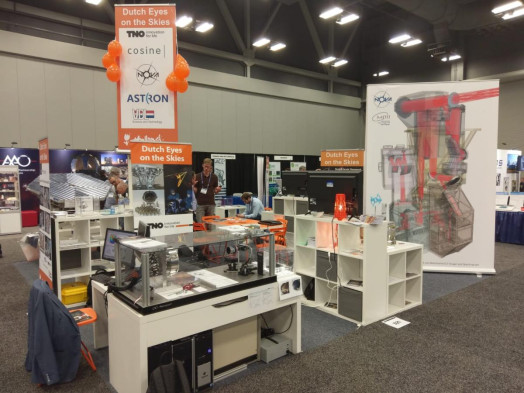
Nederland was goed vertegenwoordigd tijdens de SPIE conferentie over astronomische instrumentatie van 10-15 juni 2018 in Austin, Texas . Namens het ILO net was Gerard Cornet aanwezig en zijn alle 100 brochures die voor deze gelegenheid zijn gemaakt, verspreid onder de deelnemers.
More event reports
ESA Industry Space Days 2026: record turnout, strong Dutch presence
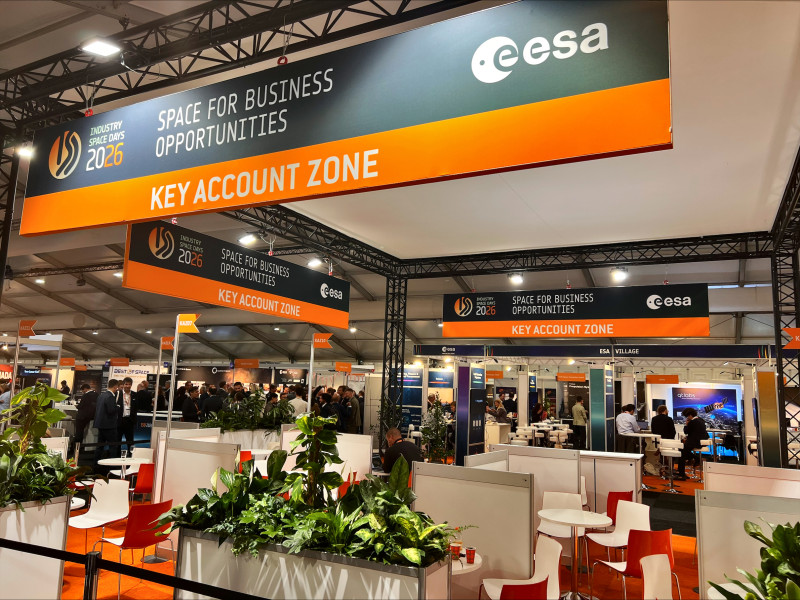
The 12th ESA Industry Space Days (ISD) took place on 16-17 September 2026 at ESTEC in Noordwijk, and was the largest edition to date. Around 240 exhibitors and more than 3,000 participants attended, representing 1,500 companies from across the European space sector. Attendees pre-arranged over 10,000 pre-arranged business to business meetings, with many more face-to-face encounters on site. More than 50 presentations were delivered across three conference halls.
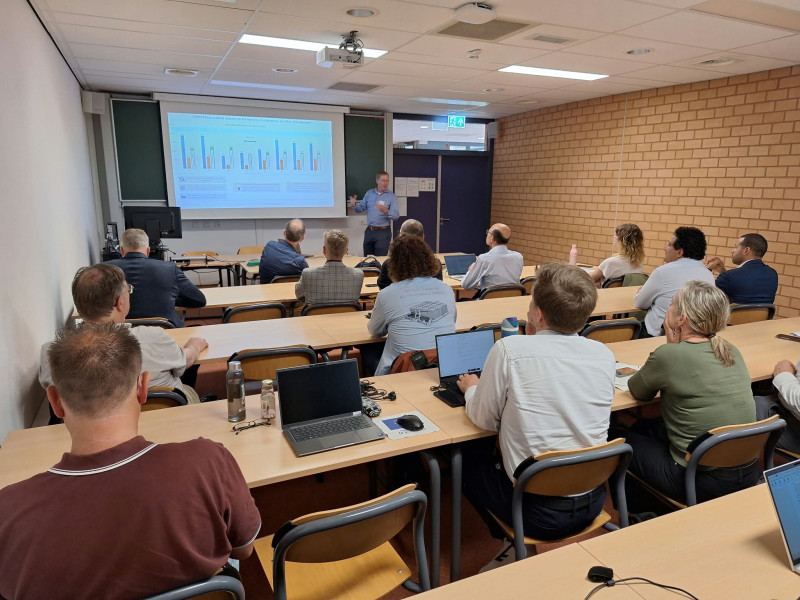
On 2 September, BigScience.NL brought together representatives from industry and research organisations at HFML-FELIX in Nijmegen for an industry meeting dedicated to sustainability. Marc Baldus, Director of HFML-FELIX and profile holder for sustainability within the Dutch NWO institutes, opened the meeting and set the stage for open and lively discussions on this important and timely topic.
Dutch Astronomical Instrumentation Community Shines at SPIE 2026 in Copenhagen
5–10 July 2026, Copenhagen, Denmark
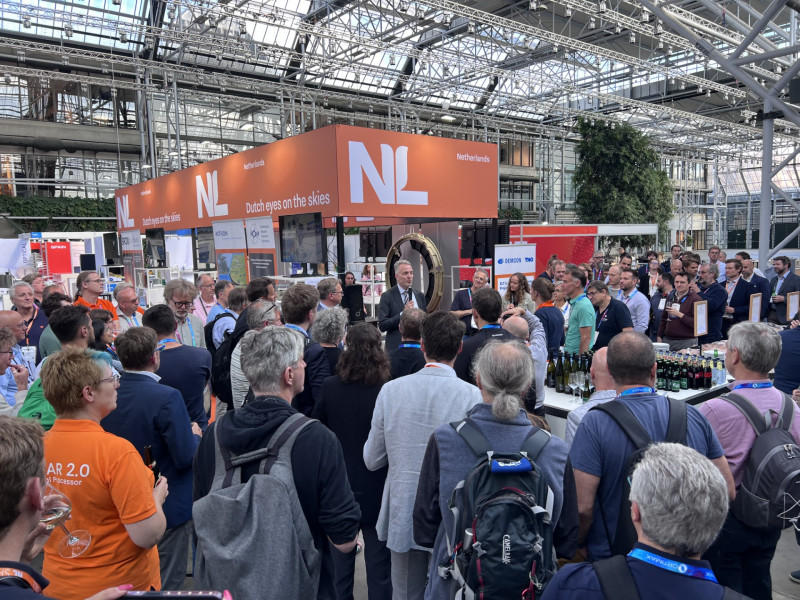
The astronomical engineering world gathered in Copenhagen for SPIE Astronomical Telescopes + Instrumentation, the leading international conference on ground-based, airborne, and space-based telescopes and the instruments that power them. The event drew more than 3,000 attendees from across the globe, who took part in 13 simultaneous technical conferences featuring over 3,000 presentations on the latest research, technology, and project developments in astronomical instrumentation.